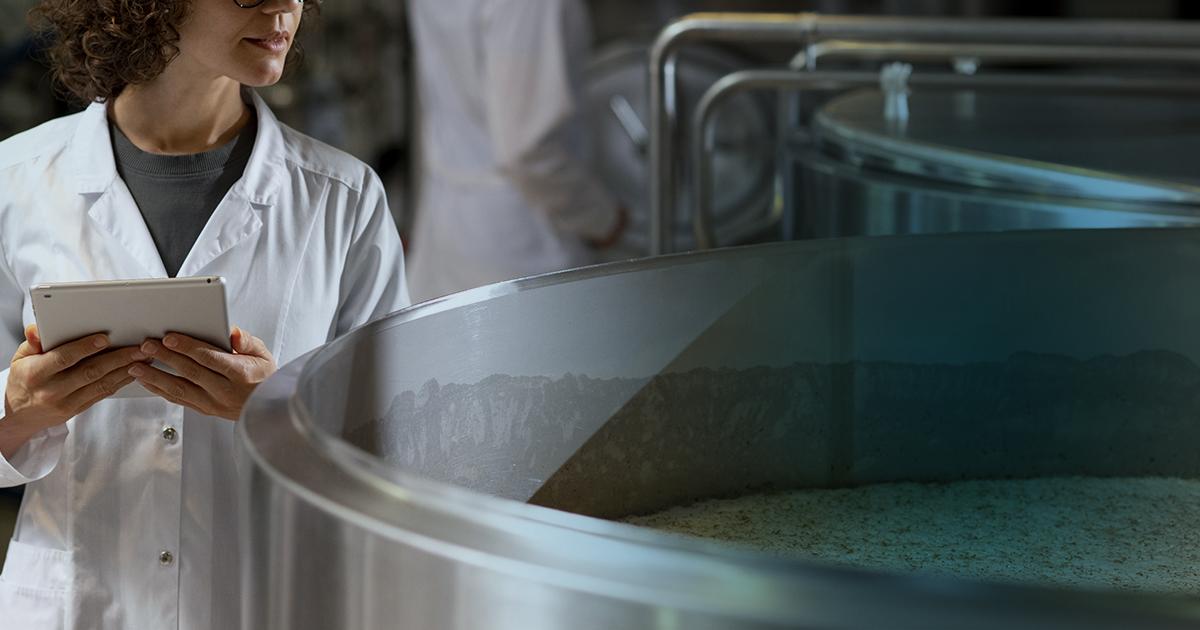
In the Food & Beverage sector, hygiene is a matter of regulatory compliance and brand protection. However, deep cleaning of food production plants represents one of the most complex logistical challenges: food residues, oils, fats, or caramelized sugars nestle in gears and on belts, and traditional cleaning methods often exacerbate the problem.
The use of water and steam, for example, creates condensation and residual moisture, the ideal breeding ground for the proliferation of bacteria such as Salmonella and Listeria. This is why the food industry is rapidly switching to dry cryogenic cleaning.
The power of "Dry Cleaning"
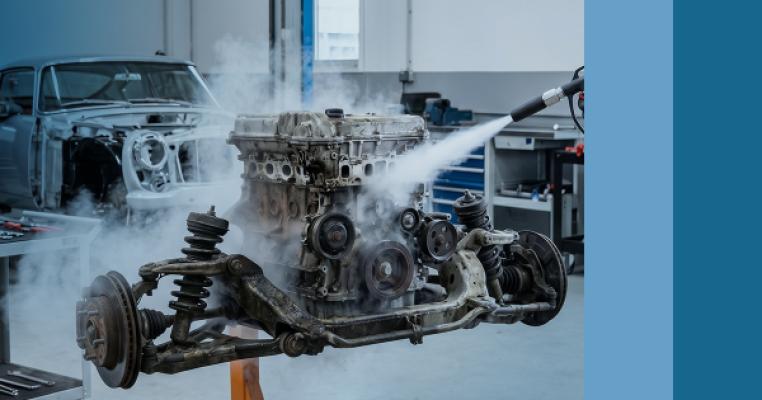
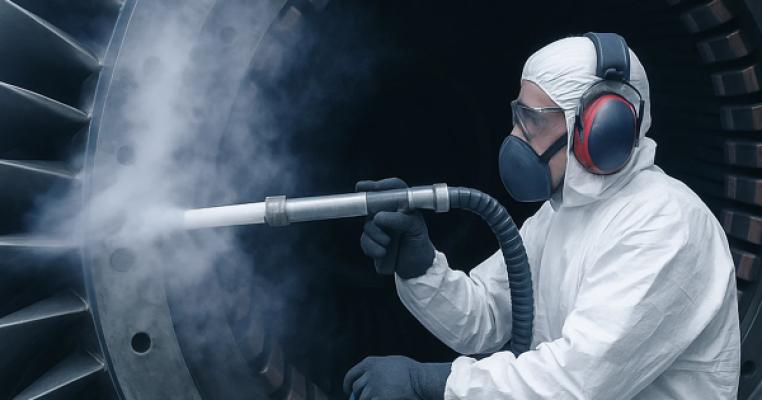
Dry ice is exceptionally effective in removing organic contaminants. Thanks to thermal shock (-78.5°C), chocolate buildup, labeling glues, flours, and oven fats harden, crack, and are literally blown away by the sublimation of the pellet, without ever wetting the plant.
Clean-In-Place (CIP) without disassembly
Disassembling a mesh conveyor belt, a tunnel oven, or a packaging machine for cleaning takes hours. Being non-conductive and non-abrasive, Dry Ice Blasting allows cleaning to be performed directly on the hot equipment (in fact, the machine's residual heat accelerates the thermal shock!), directly on optical sensors, motors, and control panels, without any risk of short circuits or wear.
Quality and Certified Purity
When operating in contact with surfaces intended for food, not all cleaning media are equal. At Dryce, we provide high-density dry ice certified for the food industry, guaranteeing the absence of MOAH and MOSH and ensuring that no contaminants are transferred to production surfaces.
The result? Sanitization times reduced by up to 60%, bacteriological risk slashed, and no prolonged downtime. Cryogenic sandblasting is the new standard for operational excellence in Food & Beverage.